
Polytechnic University in Hong Kong hosted a 10-day social innovation event, which featured a variety of exhibitions, workshops and other activities, that were all set to engage the public in socially innovative ideas. This event was also to celebrate the opening of their new building, Jockey Club Innovation Tower, at the heart of their campus.

SO, what is accessibility? As an UX & Visual Designer, I will constantly need to think about that. This workshop certainly helped in bringing new perspectives on how I should design and on I see the world around me.
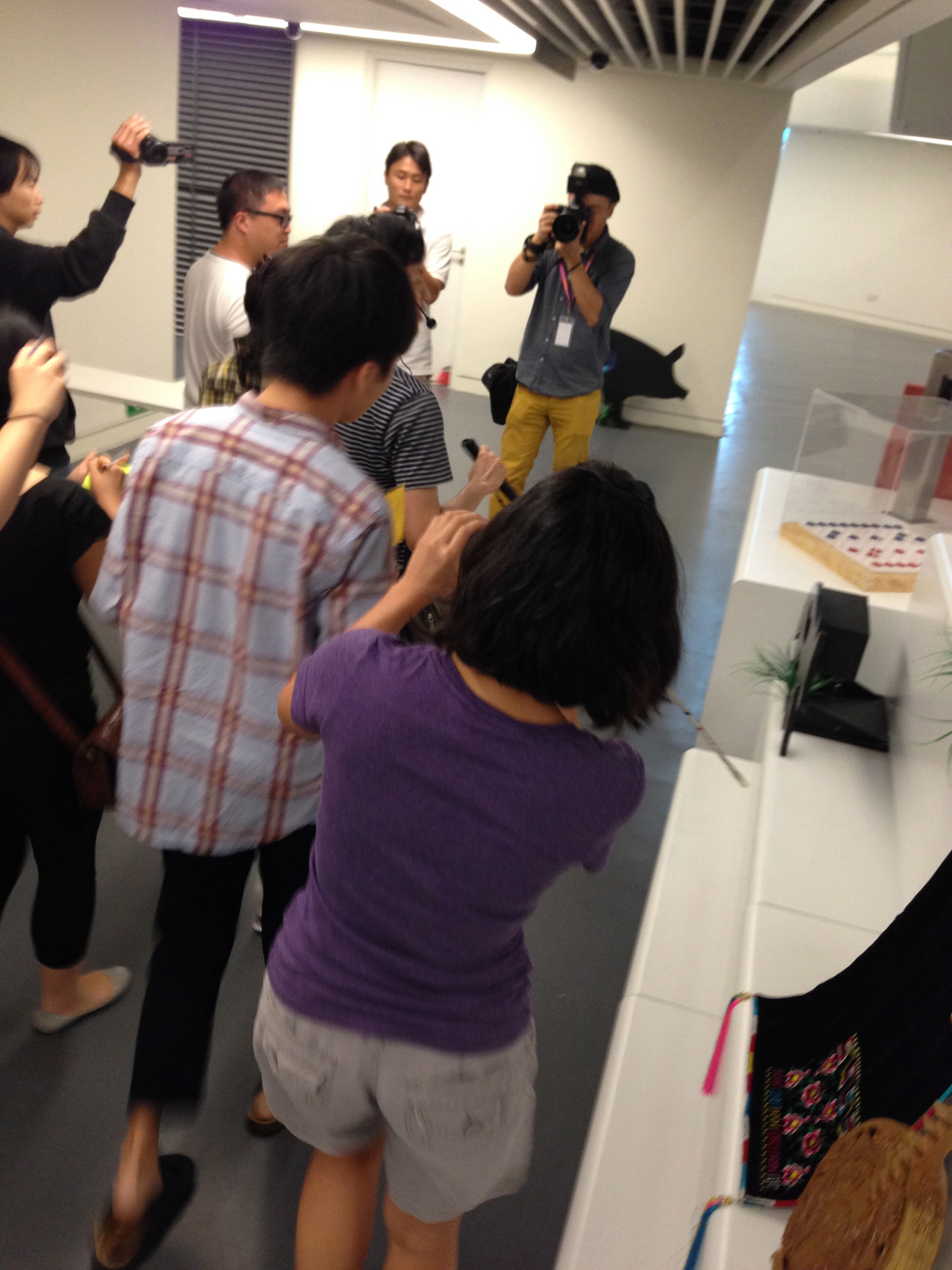
Visually impaired (VI) people encounter many difficulties in their daily lives, and new technologies are poised to help them. This workshop aimed to provide opportunities for participants to explore issues and needs for VI people, and worked in our own teams in creating prototypes for selected situations. As the participants, we worked with our new VI friends and specialists from The Hong Kong Society for the Blind in gaining much insights. They also got to evaluate our final design solutions.
The workshop people sorted 3 teams for the weekend, and I was happy that my team was full of amazing people from all walks of life, from a 2nd year Industrial Design student, to a social entrepreneur. As a team, we had to come up a solution to help our VI friends in the Recreation category.
Our persona was Ben, a 19 yo Physiotherapy university student who is completely blind since he was born. For his study, he has to do many physical work, such as carrying mobile massage tables for his patients. Ben was in need of starting more physically fit by becoming a regular at the Sports Centre at the Polytechnic University. Ben is also outgoing and look forward to meet new friends for the next 3 years at the university.
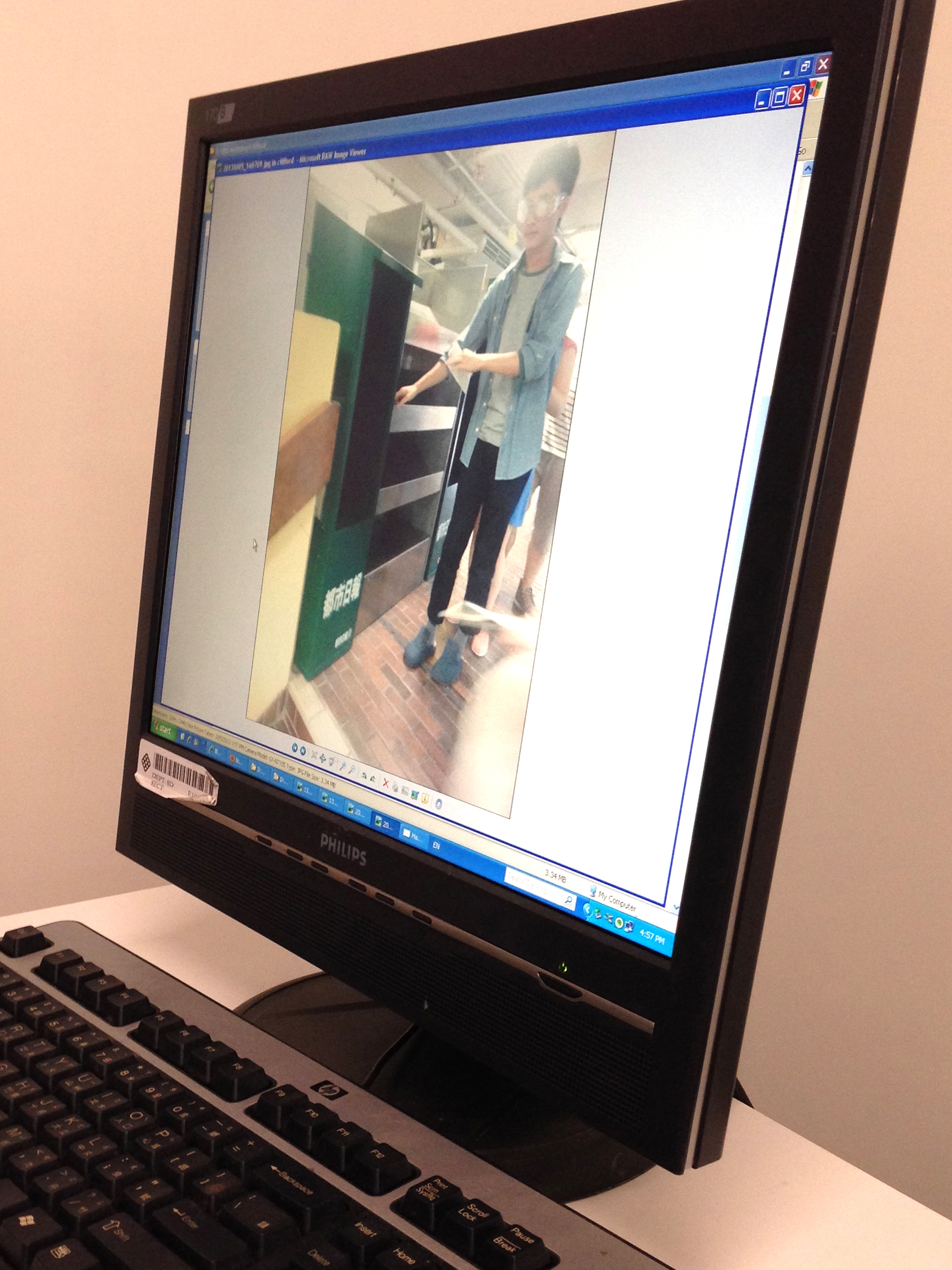
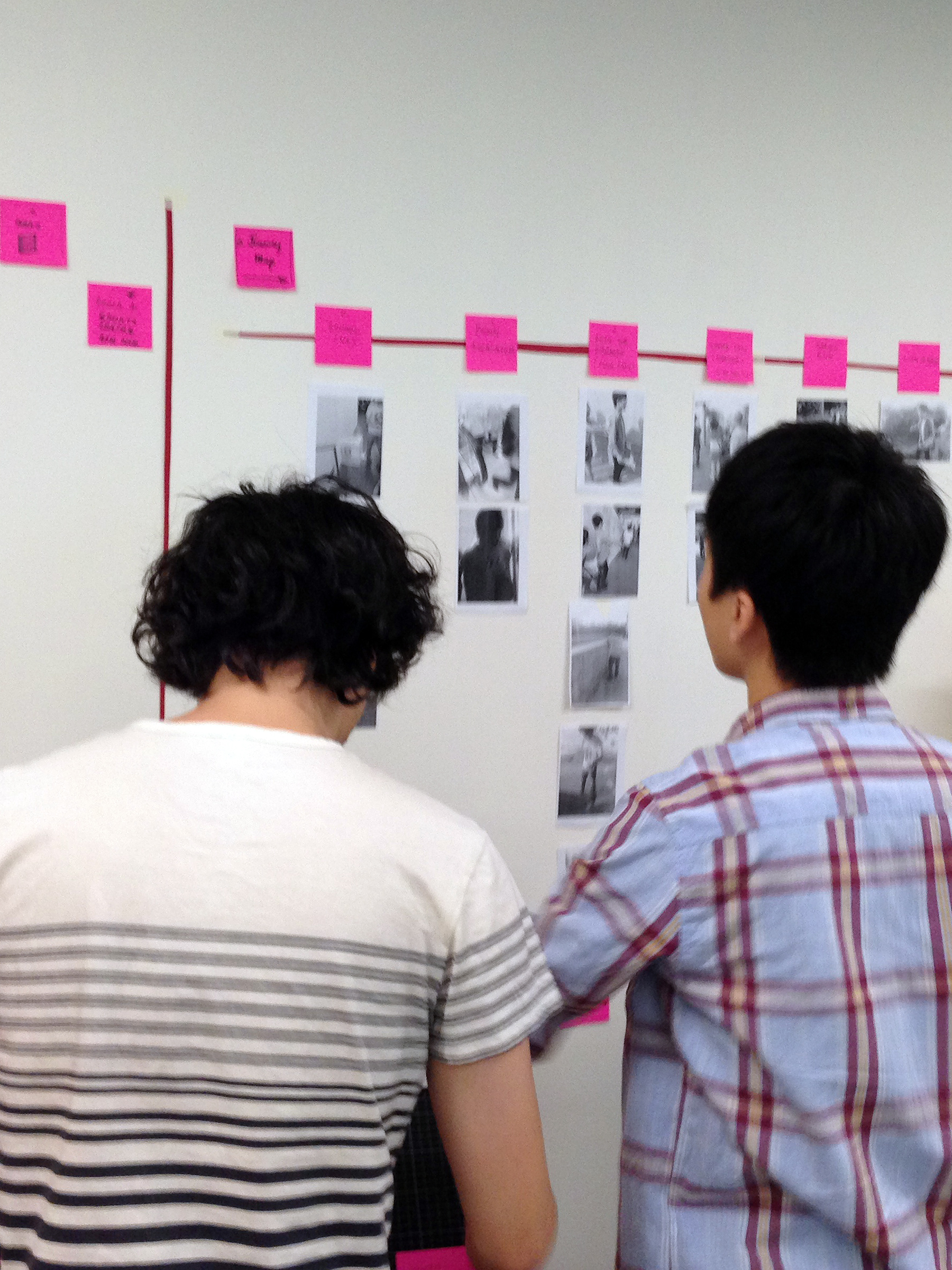
We started to explore the path that Ben, our persona, would need to take from the Innovation Tower building to the Sports Centre on campus. To evaluate such scenario probably, three of us wore different VI googles (and some closed our eyes) as we walked ourselves down to the Sports Centre. We also documented our assessments by taking pictures of our obstacles and the issues which we need to identity for our journey map. After that, we each wrote down the issues onto post-it notes and mapped out the issues on our user journey. Our real VI friend then arrived at that time for us to QnA more of the necessary information for our project, and we actually found out that since they were born completely blind, they have less issues than of what we came across before. Our VI friend gave us lots of real facts and clues of we needed to be aware of.
So based on the extra information that we got from our QnA with our VI friend, we adjusted the user journey map to make our solution more accessible for our persona, Ben. We found out that, VI people like to gather information of new places on the Internet first, then mainly using their guide sticks to assist them to walk. They are also more sound and tactile sensitive than people who can see.
For our final solution, we presented something that was much simple and intuitive for our VI persona, who was a new university student. To make his path easier from the Innovation Tower to the Sports Centre, we thought that it would be great to present some text information and audio guide on the university website, that the Innovation Tower has great VI guide to take them through campus, from the tactile path guide on the ground to a tactile building map which will give them more freedom to explore the campus.
Back to top